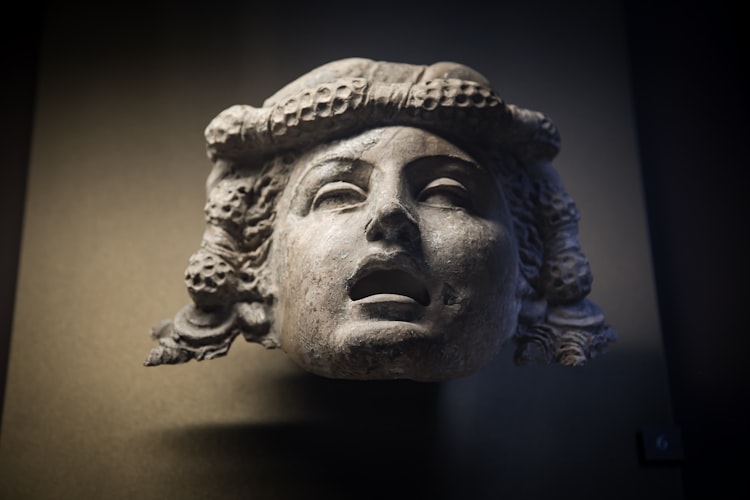
Statues and silence: the uncanny in The Winter’s Tale and its mythical sources
Hermione’s uncanny transformation arrives at the end of a play threaded with horror.
Note: I found this dissertation I
Perception and Post-Impressionism: The Artistic Vision of Virginia Woolf
E.M. Forster noted about his friend Virginia Woolf that she “liked receiving sensations - sights, sounds, tastes - passing them through
Writing the self safely with micro creative nonfiction
I'd like to welcome Alice Violett (she/her) to the blog as very our first guest contributor! 🥳 Alice
Writers' artefacts
Recently I watched a documentary about Gerhard Richter which recorded him painting some of his phenomenal abstract paintings. When I
Writing about trauma: sharing our stories with care
It's important to handle our stories with the care that they - and we - deserve.
This post is the
Writing about trauma: self care resources
When we're writing about painful memories it's important to take care of ourselves. Here are some
Writing about trauma: why self care matters
Writing can be a powerful tool for healing our past trauma, but it can also be painful, distressing, or triggering
Ghosts and the writers that love them
Last weekend I was at the Museum of Making in Derby attending the UK Ghost Story Festival, organised by Alex
Speculative fiction clichés and stereotypes
Tropes are part of the SFFH writer's toolkit, but if they're not used thoughtfully they can
Entering the "strange and bizarre" world of the other
Connections between therapeutic empathy and speculative fiction.
I've recently completed a short counselling course, mostly because I wanted